Core
Sit-Up
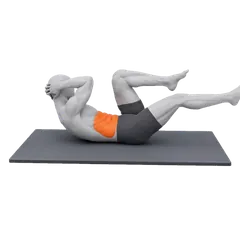
The full ab exercise: you rise from lying down all the way to sitting, working your abs and hip flexors.
Also known as: full sit-up
- Level
- Beginner
- Equipment
- Bodyweight
- Type
- Compound
Muscles worked
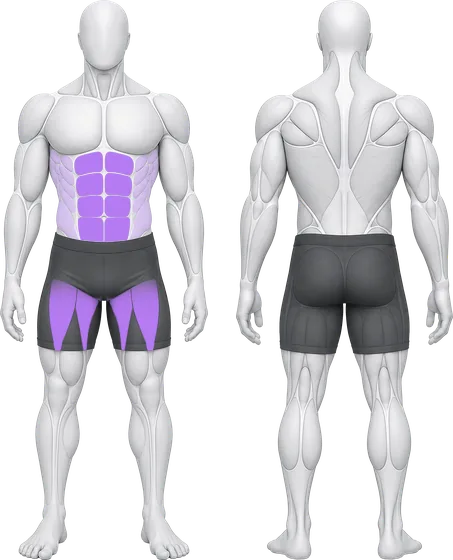
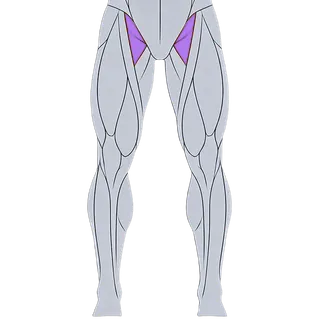 PrimaryHip Flexors
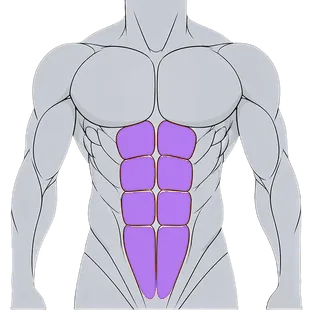 PrimaryAbsAb exercises
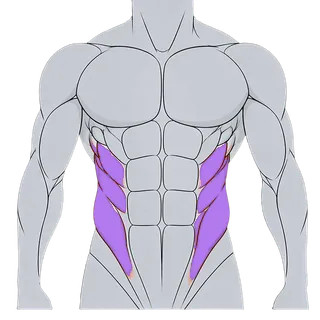 SecondaryObliquesOblique exercises
How to do it
- Lie on your back with your knees bent and feet flat or anchored.
- Cross your arms over your chest.
- Curl up all the way to sitting.
- Lower slowly, one vertebra at a time.
Form cues
- Start curling like a crunch, then keep rising.
- Slow lowering.
- No yanking your neck.
Common mistakes
- Jerking up with a rigid torso: it loads your lower back.
- Swinging your arms for momentum: cross them on your chest.
- Flopping back down: control it.
Sets and reps
3 sets of 10-20 reps with 60 seconds of rest.
Variations
Same movement, different equipment. Pick based on what you have and what you want from sit-ups.
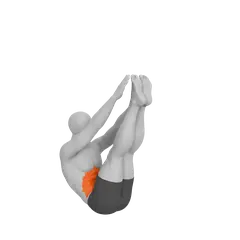
Jackknife sit-up
Arms and legs rise together and meet at the top.
How to do it
- Lie face-up on the floor with arms extended overhead and legs extended straight.
- Simultaneously lift the torso and the straight legs off the floor.
- Reach the hands up toward the feet as the feet rise — meet above the hips.
- Lower the torso and legs back to the floor under control.
- Primary
- Abs
- Secondary
- Hip Flexors, Obliques
FAQ
Sit-up or crunch?
Crunches isolate your abs more; sit-ups add hip flexors and more range.
Are sit-ups bad for your back?
With good form and sensible volume, not for most people. If your lower back complains, use crunches or dead bugs.
Feet anchored or free?
Anchored makes it easier but gives more work to your hip flexors.
What muscles do sit-ups work?
They mainly work the hip flexors and the abs, with help from the obliques.
Train with Nuvana
Add sit-ups to your next workout
Log your sets and weights, and see how each muscle progresses in the app.