Chest
Cable Fly
Cable crossovers keep tension on your chest from start to finish and let you target upper, middle or lower fibres by changing the height.
Also known as: cable crossover, standing cable fly
- Level
- Intermediate
- Equipment
- Cable Machine
- Type
- Isolation
How to do it
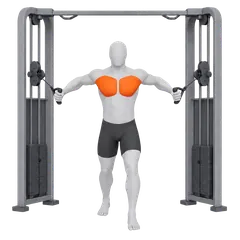
- Set the pulleys at shoulder height and take a handle in each hand.
- Step forward, lean your torso slightly and let your arms open with a slight bend in the elbows.
- Bring your hands together in front of your chest in an arc, as if hugging something big.
- Return slowly until you feel a stretch, without letting your arms swing all the way back.
Form cues
- Keep your elbow angle fixed; don't turn the fly into a press.
- High pulleys hit the lower chest; low pulleys hit the upper chest.
- Squeeze for a second when your hands meet.
Common mistakes
- Going so heavy that your body rocks: the chest stops doing the work.
- Bending and straightening your elbows each rep: that's a press, not a fly.
- Letting your arms drift far behind you: it yanks on the shoulder. Stop at the stretch.
Sets and reps
3-4 sets of 12-15 reps with 60 seconds of rest, at the end of your chest session.
FAQ
Where should I set the pulleys?
At shoulder height for the whole chest. Low-to-high emphasises the upper chest and high-to-low the lower chest.
Cable or dumbbell flyes?
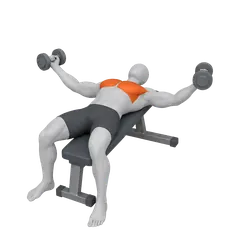
Cables keep tension even when your hands meet; dumbbells load the stretch more. Both work.
Can I do them one arm at a time?
Yes, single-arm lets you cross your hand past your midline and focus on each side.
What muscles do cable flyes work?
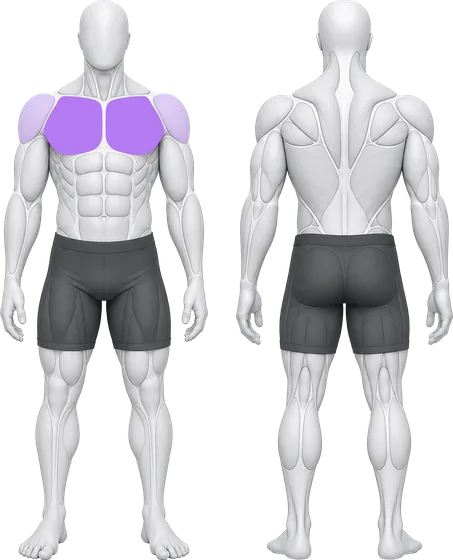
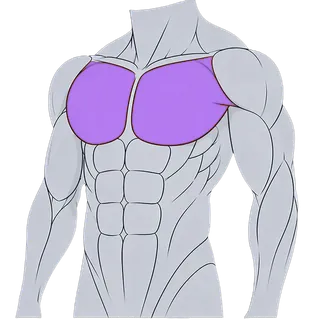
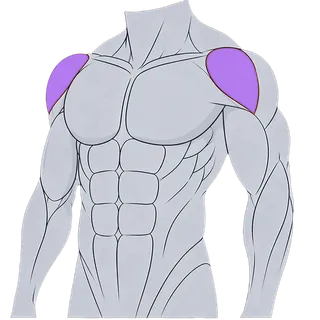
They mainly work the chest, with help from the front delts.
Train with Nuvana
Add cable flyes to your next workout
Log your sets and weights, and see how each muscle progresses in the app.