Incline Treadmill Walk
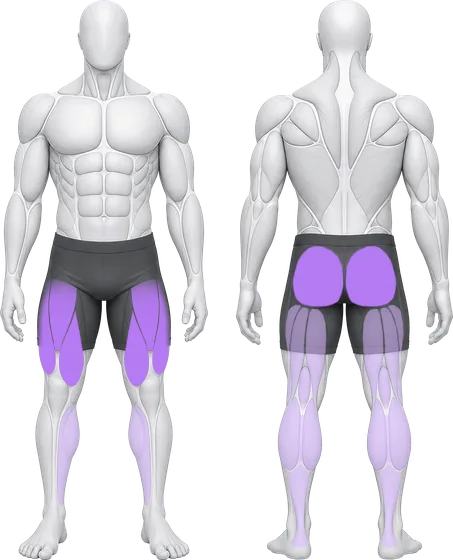
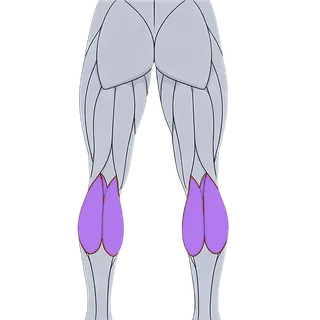
Walking on an inclined treadmill: low-impact cardio that burns far more than flat walking and works glutes and calves.
Also known as: 12-3-30 workout, treadmill incline walk
- Level
- Beginner
- Equipment
- Treadmill
- Type
- Compound
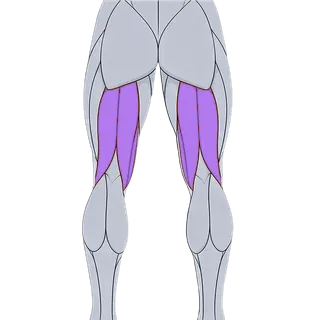
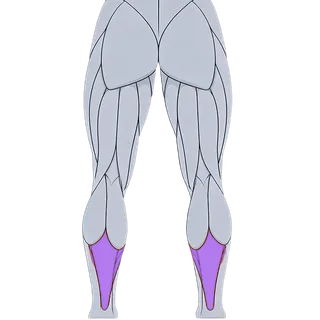
How to do it
- Get on the treadmill and walk flat for 3-5 minutes to warm up.
- Gradually raise the incline to 8-12%.
- Walk at 2.5-3 mph with an upright torso, without holding on.
- To finish, lower the incline and walk flat for a few minutes.
Form cues
- Don't hold the rails; it halves the work.
- Natural strides, landing on your whole foot.
- Increase incline before speed.
Common mistakes
- Holding on and leaning back: you lose most of the benefit.
- Starting at maximum incline: build up gradually.
- Poor footwear: wear comfortable trainers.
Sets and reps
Start with 15-20 minutes at 6-8% and build up to 30 minutes at 10-12%, 3-5 times a week.
Variations
Same movement, different equipment. Pick based on what you have and what you want from incline treadmill walking.
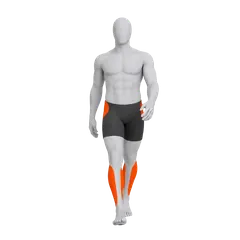
Walking
The base of daily activity: adds steps without fatigue.
How to do it
- Stand tall with your weight over the middle of your feet and your shoulders relaxed, not pulled back.
- Step forward and land on your heel, then roll through the foot and push off the ball and toes.
- Keep at least one foot on the ground at all times — as soon as both leave the floor you are running, not walking.
- Let your arms swing naturally from the shoulder, opposite arm to opposite leg, with the elbows softly bent.
- Look ahead rather than down at your feet, and breathe through a steady, repeatable rhythm.
- Continue for the desired time or distance, picking a pace at which you could still hold a conversation.
- Primary
- Calves, Quads
- Secondary
- Glutes, Hamstrings, Hip Flexors, Soleus
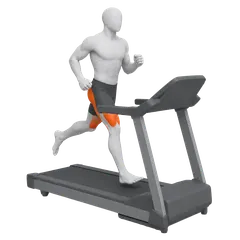
Treadmill running
Running at a controlled pace regardless of the weather.
How to do it
- Step onto the treadmill with a foot on each side rail, start the belt at a walking speed and step on once it is moving.
- Build up to your running pace, landing under your hips rather than reaching out in front of you.
- Run tall with your shoulders relaxed, your elbows bent at about ninety degrees and your arms swinging forward and back, not across your body.
- Keep your eyes forward and stay in the middle of the belt instead of drifting back toward the rear roller.
- Hold the pace for the desired time or distance, then slow the belt and walk for a few minutes before stepping off.
- Primary
- Calves, Quads
- Secondary
- Glutes, Hamstrings, Hip Flexors, Soleus
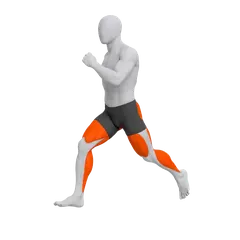
Running
Outdoors: more varied, with more impact.
How to do it
- Start from an easy jog and build into your pace over the first few minutes rather than setting off at target speed.
- Land with your foot under your hips, not out in front, and keep the contact with the ground short and quiet.
- Run tall through the hips with a slight forward lean from the ankles, not a fold at the waist.
- Bend your elbows to about ninety degrees and drive your arms forward and back, keeping them off your chest.
- Breathe rhythmically and keep your shoulders, jaw and hands loose.
- Hold the pace for the desired time or distance, then jog and walk for a few minutes to finish.
- Primary
- Calves, Quads
- Secondary
- Glutes, Hamstrings, Hip Flexors, Soleus
FAQ
What is 12-3-30?
Walking for 30 minutes at a 12% incline and 3 mph. It's a popular low-impact cardio workout.
Is it better than running for fat loss?
It burns less per minute than running, but it's easier to sustain and lower impact. Consistency matters most.
Does it work the glutes?
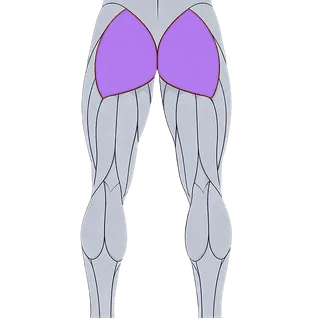
Yes, the incline increases glute, hamstring and calf work compared with flat walking.
What muscles do incline treadmill walking work?
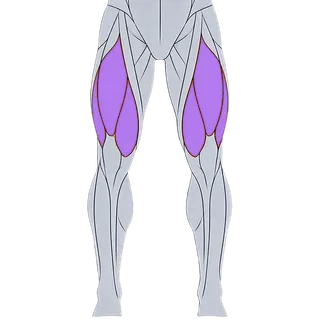
They mainly work the glutes and the quads, with help from the calves, the hamstrings and the soleus.
Add incline treadmill walking to your next workout
Log your sets and weights, and see how each muscle progresses in the app.