Trap Bar Deadlift
You stand inside the bar so the load lines up with your body: less stress on your lower back and more work for your legs.
Also known as: hex bar deadlift, trap bar lift
- Level
- Intermediate
- Equipment
- Trap Bar
- Type
- Compound
How to do it
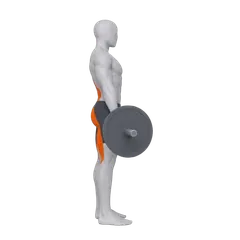
- Stand in the middle of the bar with your feet hip-width apart.
- Push your hips back, bend your knees and grab the handles in the centre.
- Chest up, spine neutral, abs braced.
- Drive through the floor and stand up, extending your hips and knees together.
- Lower under control the same way until the plates touch down.
Form cues
- Grip the middle of the handles so the bar stays level.
- More knee bend than a barbell deadlift; it feels closer to a squat.
- High handles shorten the range, a good option for beginners.
Common mistakes
- Rounding your back as you reach for the bar: set your position before you pull.
- Pulling with your arms: they just hold on while your legs drive.
- Leaning back at the top: finish standing tall without arching.
Sets and reps
3-5 sets of 3-8 reps with 2-4 minutes of rest. It can be your main deadlift, especially if your back doesn't love the conventional version.
FAQ
Is the trap bar better than a straight bar?
Not better, just different: it shifts more work to the legs and stresses the lower back less. Many people find it easier to learn.
Can you lift more with a trap bar?
Usually yes, because the load sits in line with your body and your legs help more.
Does it work the glutes?
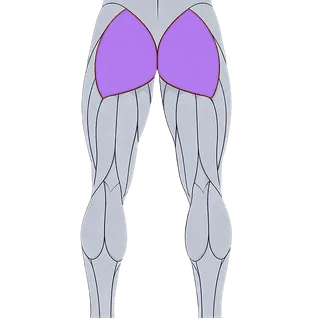
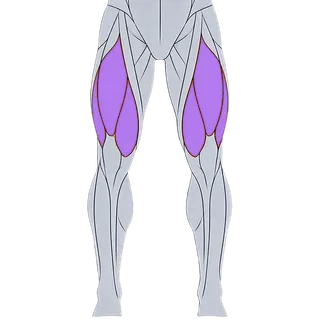
Yes, along with quads, hamstrings and back. It's a very complete lower-body lift.
What muscles do the trap bar deadlift work?
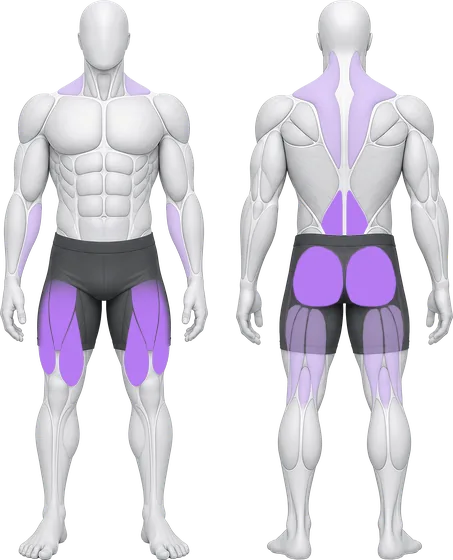
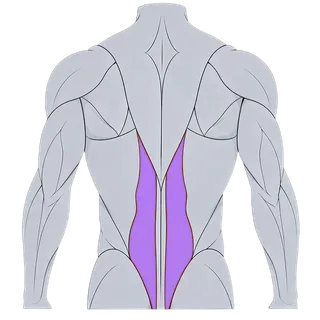
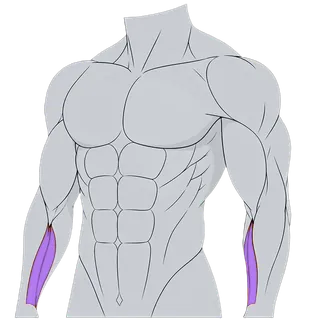
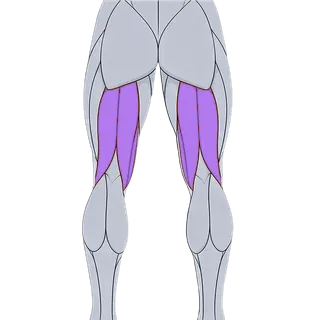
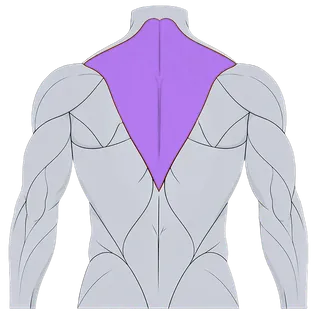
They mainly work the lower back, the glutes and the quads, with help from the forearm flexors, the hamstrings and the traps.
Add the trap bar deadlift to your next workout
Log your sets and weights, and see how each muscle progresses in the app.