Back
Dead Hang
Hanging from a bar with straight arms: it builds grip, decompresses your spine and prepares you for pull-ups.
Also known as: bar hang, passive hang
- Level
- Intermediate
- Equipment
- Pull-Up Bar
- Type
- Compound
How to do it
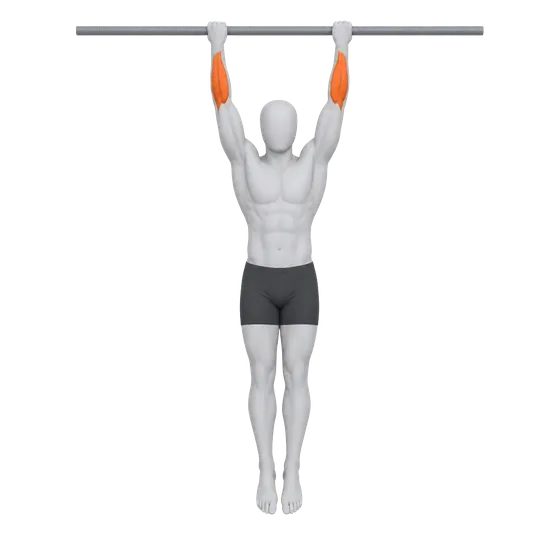
- Grab the bar palms forward at shoulder width.
- Hang with straight arms and your feet off the floor.
- Relax your body or engage your shoulders by drawing them down slightly.
- Hold for your target time and step down under control.
Form cues
- Breathe normally.
- Active hang for shoulder strength; passive for a stretch.
- Use a box to get on and off without jumping.
Common mistakes
- Dropping off suddenly: step down onto your feet.
- Bending your elbows to hold on: keep them straight.
- Swinging: stay still.
Sets and reps
3 sets of 20-60 seconds with 60 seconds of rest.
Variations
Same movement, different equipment. Pick based on what you have and what you want from the dead hang.
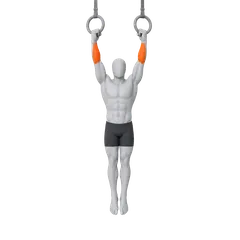
Ring dead hang
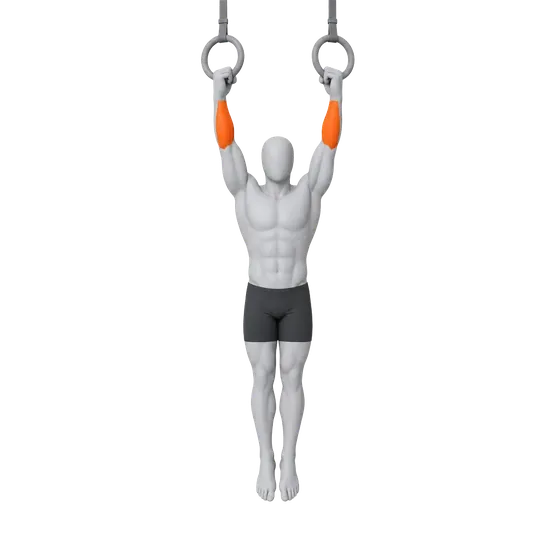
Rings let your wrists rotate freely.
How to do it
- Grip a pair of gymnastic rings with a neutral grip, palms facing each other.
- Hang with your arms fully extended and feet off the ground.
- Let the rings rotate naturally; do not fight the grip.
- Keep your shoulders engaged (no shrug to the ears) and core lightly braced.
- Hold for the desired duration.
- Primary
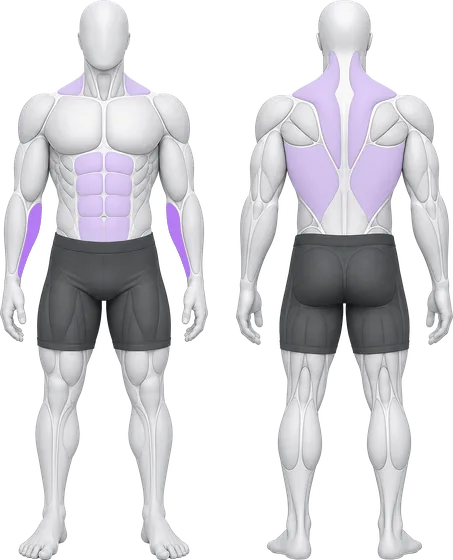
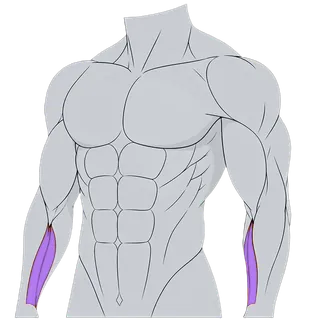
- Forearm Flexors
- Secondary
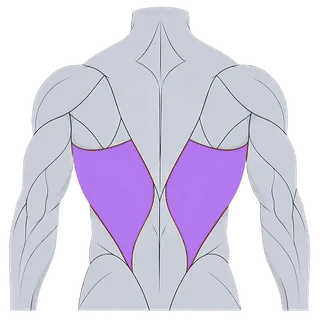
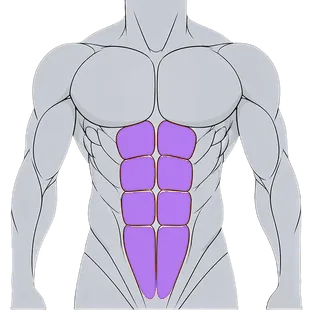
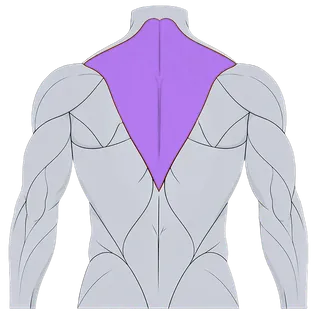
- Lats, Abs, Traps
FAQ
How long should I be able to hang?
As a guide, 60 seconds shows good grip strength for most adults.
Does hanging decompress your spine?
Many people feel relief while hanging, though the effect is temporary.
Does it help with pull-ups?
Yes, it builds grip and gets your shoulders used to holding your bodyweight.
What muscles do the dead hang work?
They mainly work the forearm flexors, with help from the lats, the abs and the traps.
Train with Nuvana
Add the dead hang to your next workout
Log your sets and weights, and see how each muscle progresses in the app.